
Best of Europolitan - Do our Cities Need to be Smart?
By Nils Harder (IB 2021)
"Having graduated from the ESB Business School in 2021 (International Business), I now want to encourage others to take more action on how their neighborhoods and cities are being developed, creating an impact on the livability of cities, as these tend to become more populated with an everincreasing number of challenges to overcome, but also opportunities to take advantage of – cities for people by people."

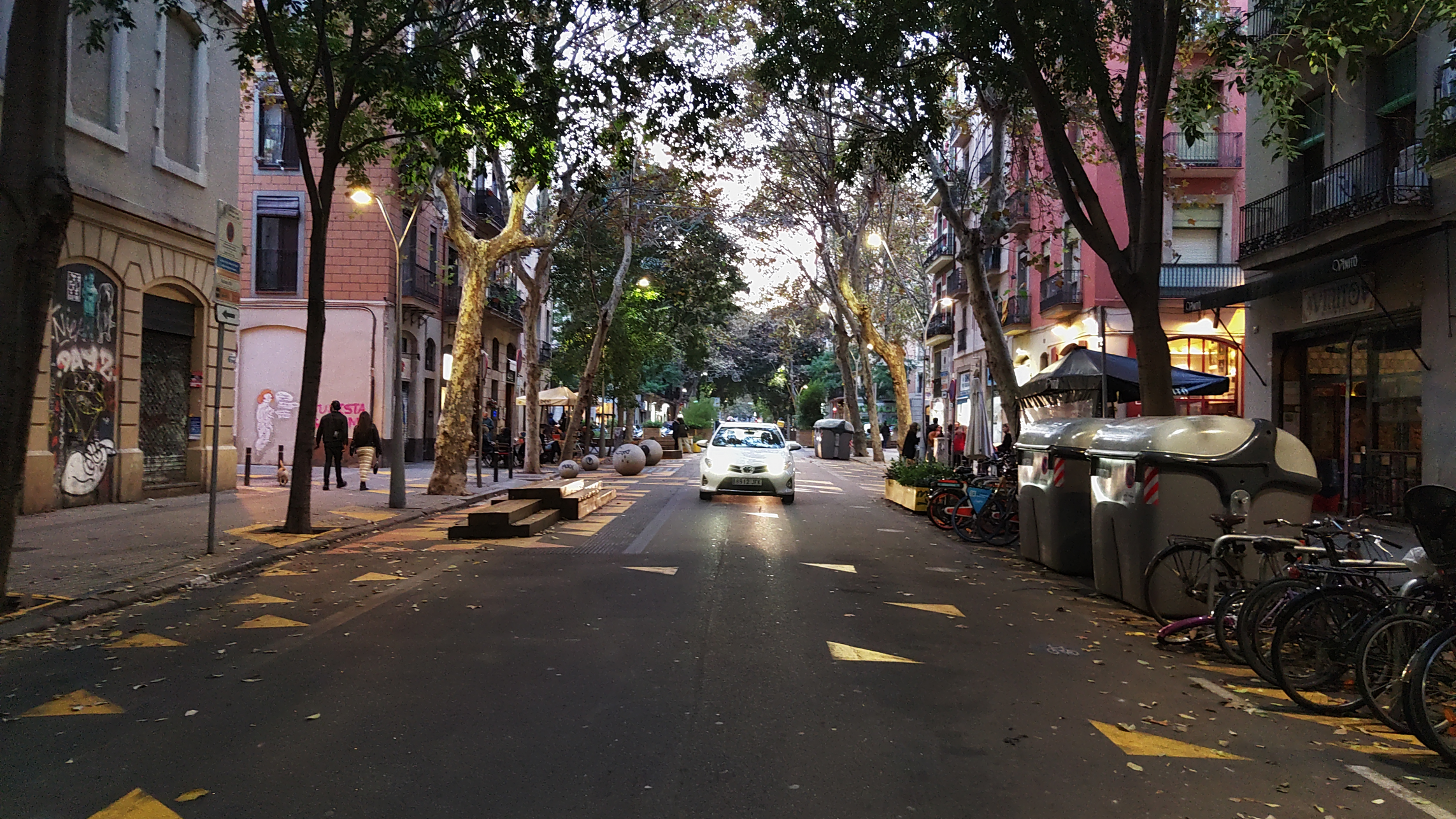
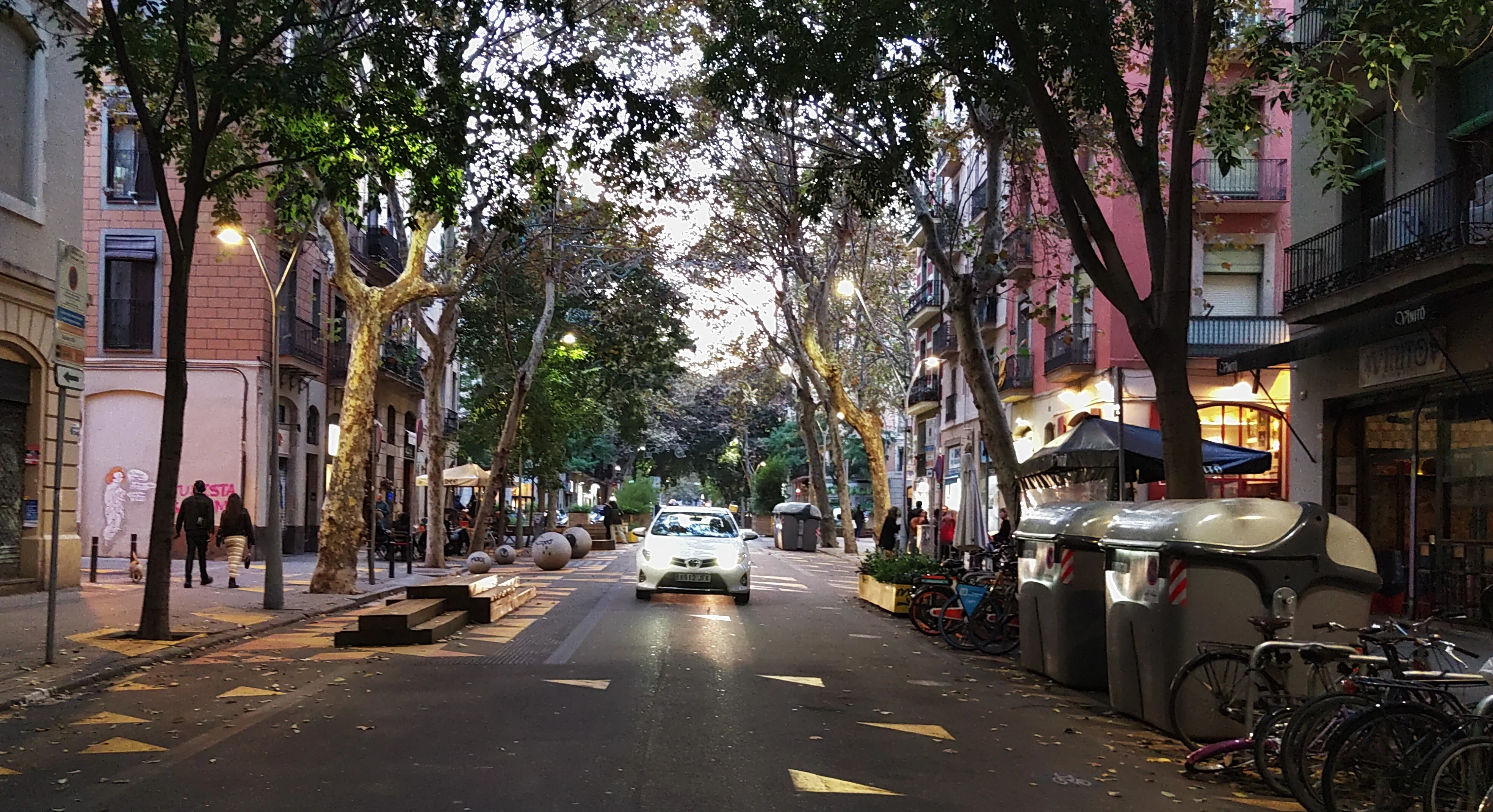
The concept of Smart Cities has been a recent trend with an ever-increasing interest from both academia and private organizations. It has been praised and marketed as the magic bullet in overcoming all our urbanization issues through recent advancements within the information, communication and technology (ICT) domain. If integrated properly within the urban environment, it has potential in enabling better cities that are more sustainable on various scales. However, I argue that this concept still lacks the human factor as several aspects with an important emphasis on social inequality and inclusiveness are not accounted for. Moreover, if falsely interpreted, it can lead to further negative effects with regards to the environmental impact of the city. In the following paragraphs, the shortcoming of Smart Cities will be presented and I will share my insights from a recent city I have been able to visit, the city of Barcelona (Spain), which is pioneering how a Smart City can enable better cities.
The Concept of Smart Cities
Let me first start off with explaining how the concept of Smart Cities is being used. It entails that through technology, with the help of internet-of-things (IoT), sensors, and big data, the governance of urban areas can become data-led and informed. This approach is gradually being supported by various multinational corporations with substantial interest in becoming market leaders in this profitable and growing industry segment by offering Smart City solutions. Corporations are therefore strongly involved in creating corporate-led Smart Cities, wherein profits are one of the key interests. These offerings range from air management software tools to energy storage solutions or e-charging infrastructure within the city network. However, given the sustainable development goal (SDG) 11,1 which states that the goal of cities is to become more “inclusive, safe, resilient and sustainable”, we need to further aim at incorporating these technological opportunities in a sensible way. To achieve this, introducing technology cannot be a goal in itself, but we need to ultimately aim at meeting the SDG targets (a brief overview of the SDG 11 is provided below). To give an example of one of the shortcomings of this concept, many new Smart Cities across the globe are being planned with development projects in India, South Korea or the small island developing state Mauritius, however, these developments are mostly concentrated in the suburban areas of existing cities, eventually further reinforcing the modernist planning of cities. These new city developments in the outskirts of existing cities further increase the urban sprawl development of cities, thus resulting in additional automobile dependence and unsustainable living environments if other policy packages are neglected. The new developed city-suburb in itself may therefore be characterized as a Smart City, even though it results in the same challenges cities have been confronted with now for centuries. I therefore argue that we need a framework that is on the one hand able to incorporate the offered possibilities of introducing technology as part of a Smart City, on the other hand governance needs to ensure that these efforts are actually targeting the goal of creating better cities for humans. Be it within densely populated existing urban environments or cities currently being developed from scratch.
Sustainable Development Goal (SDG) 11 The aim of this goal is to “Make cities and human settlements inclusive, safe, resilient and sustainable”.2 It currently consists of seven targets and three sub-targets focusing on improving the living situation for thousands of people, especially the ones most vulnerable, moreover, increasing accessibility to healthy urban spaces and public transport.